SPA is not just about massages or saunas. It is a whole world where the body and mind receive what they so often lack—silence, warmth, and care. But what are SPA treatments really, and where did they come from?
What is SPA, where does the word come from, and how did it all begin?
Acronym and origin. There are several versions of the origin of the word "SPA". The most common is from the Latin "Salus Per Aquam", which means "health through water". According to another version, the name comes from the Belgian town of Spa, known for its healing mineral springs since the 14th century. Both versions share one common theme: water has always been at the center of wellness.
From ancient times to modernity. Even the ancient Romans built grand thermae—public baths with hot and cold pools where people not only washed, but also socialized, received treatment, and rested. Greeks, Egyptians, Japanese—every culture had its own water rituals. In the Middle Ages, the tradition declined, but from the 18th–19th centuries, balneological resorts became popular again among European aristocracy. The modern SPA format was formed in the second half of the 20th century, when massages, cosmetology, and a holistic approach to health were added to water treatments.
Why is SPA so popular today? The pace of modern life—constant stress, screens, deadlines—has made SPA a necessity rather than a luxury. People are looking for a place where they can temporarily forget about worries and reset. SPA provides exactly that: a combination of physical recovery, emotional relaxation, and aesthetic pleasure all in one place.
What types of SPA establishments exist
Not all SPA complexes are the same. Depending on the format, location, and purpose, they differ significantly.
Hotel SPA (Resort/Hotel SPA)
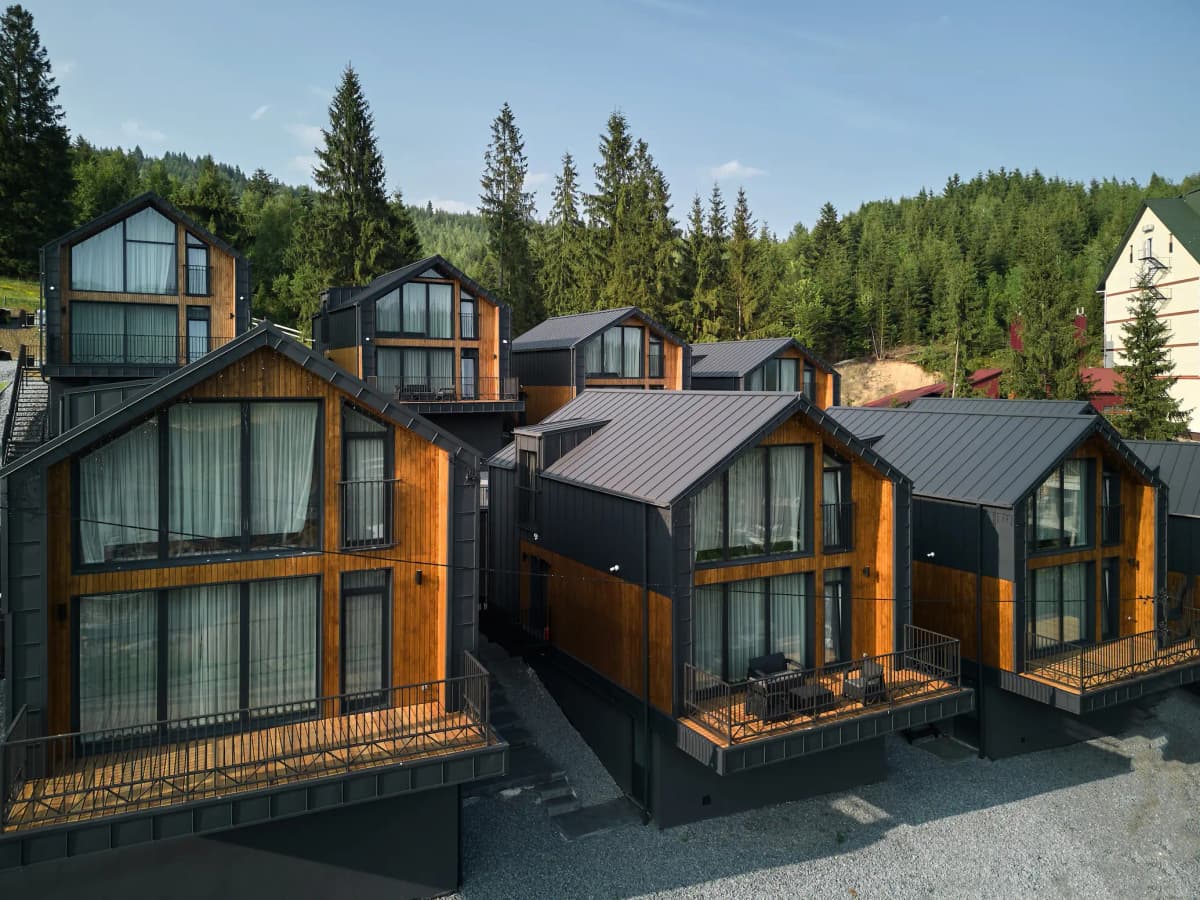
The most common format. The SPA area is part of the hotel and is available to guests as an included service or for an additional fee. A SPA hotel is very convenient: after an active day—mountains, skiing, walks—you simply go down one floor and enter a world of warmth and quiet. This exact format is presented in the Fomich network in Bukovel: Twins SPA, Celebrity SPA, Celebrity Japanese SPA, and Karpatski SPA—each with its own character and set of procedures.
Day SPA
An establishment without accommodation where you can come for a few hours. Ideal for those who live nearby or want to organize a "beauty day" for themselves. Mini-formats are also common—nail spa, foot spa, and other highly specialized facilities. At Fomich, the Day Pass format is very popular—we will cover it in detail below.
Medical SPA
Combines classic spa treatments with medical ones under the supervision of doctors. People come here with specific requests: rehabilitation, skin treatment, body contouring.
Thermal SPA / Balneological Resort
Such an establishment is based on natural mineral or thermal waters. These locations often hold the status of health resorts.
Destination SPA
This format represents complete immersion: guests arrive for a week or more, adhering to a special program of nutrition, procedures, and practices.
What is included in the SPA area
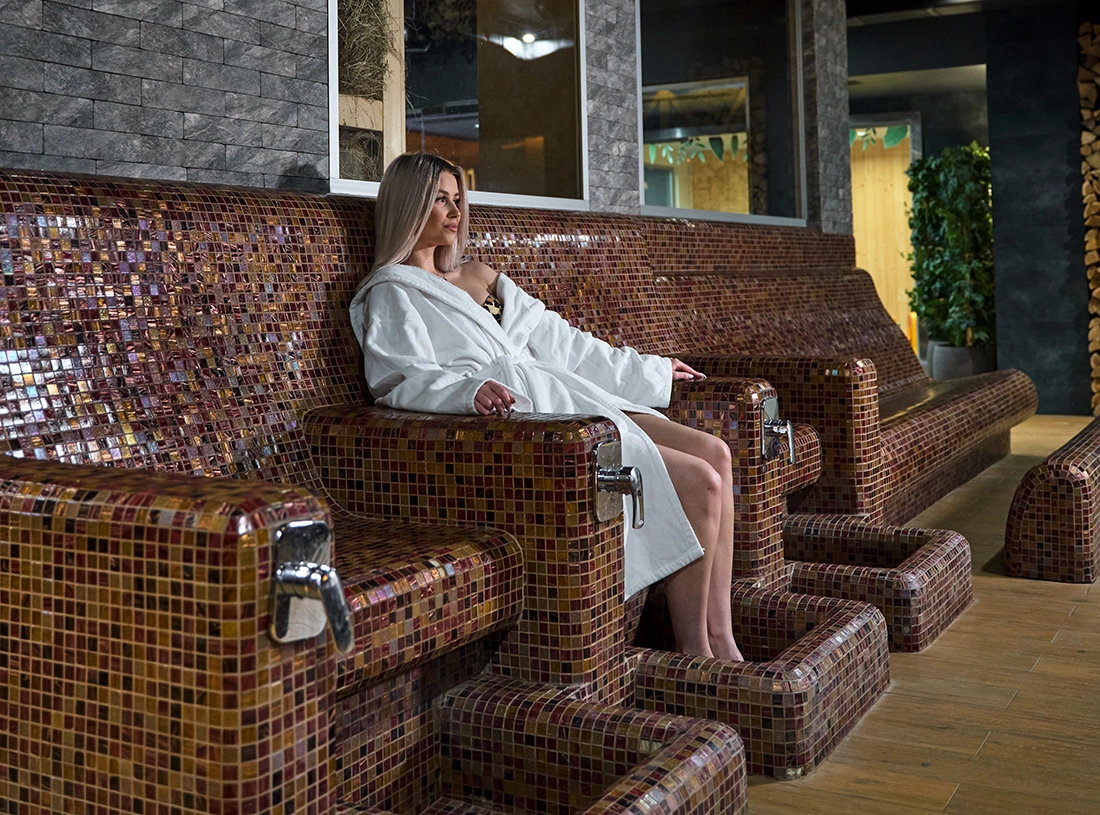
A full-fledged SPA complex is an entire infrastructure for recovery. Here is what can usually be found inside:
Swimming pools—the heart of most SPAs. They can be outdoor and indoor, heated, equipped with hydromassage jets, and panoramic windows. At Twins SPA in Bukovel, for example, there are two pools: an outdoor heated pool (15×5 m) and an indoor one (6×4.7 m)—both available year-round.
Saunas—Finnish, infrared, steam. Each acts in its own way: the Finnish heats deeply and quickly, the infrared affects the body more gently and is great for detox, while the steam moisturizes the skin and opens pores. Twins SPA offers all three types, plus a traditional banya.
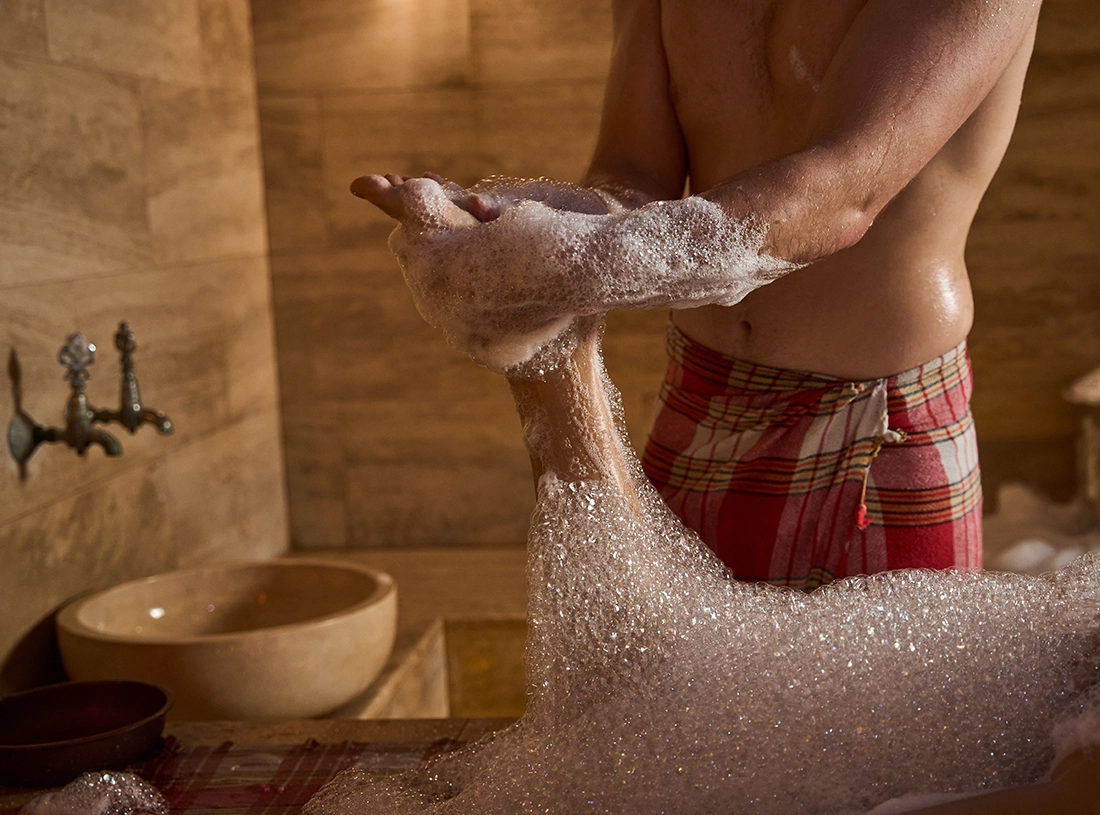
Hammam / Turkish bath—a humid steam room with marble loungers where the body heats up gradually. Pairs wonderfully with peelings and massages. Available at Celebrity SPA.
Jacuzzi and hydromassage tubs—targeted SPA water massage acts on the guest, relieving tension in muscles and joints. This water treatment format is available at Twins SPA and Celebrity Japanese SPA, which features an outdoor jacuzzi with views of the Bukovel mountains.
Lounge areas—a space to relax between procedures. Here you can sip herbal tea, wrap yourself in a towel, and simply enjoy the quiet. An underrated yet essential part of the SPA experience.
Massage and cosmetology rooms—for individual treatments. Available in all Fomich complexes in Bukovel.
Fitness area—not always part of the SPA, but complements the wellness experience. In the Fomich chain, a fitness center is located at F&B Spa Resort.
Main types of SPA treatments
Massages
Massage is the foundation of any SPA complex. But there are far more types than it might seem:
Classic / Relaxing massage. Relaxes muscles, improves blood circulation, and relieves accumulated stress. It is an ideal entry point for first-time SPA visitors or those who simply want to unwind without excessive intensity. Available in all Fomich complexes.
Back massage. Targeted work on the body's most loaded zone: the therapist works on deep muscles along the spine, releases tightness, and restores mobility. Especially relevant after mountains, skiing, or a long journey.
Aromatherapy massage. Combines massage techniques with essential oils, where each oil has its own effect: lavender calms, eucalyptus tones, rose restores. The procedure acts on two levels simultaneously—physical and emotional. Available at Celebrity SPA.
Anti-cellulite / Sports massage. More intense, targeting deep tissues and recovery after physical exertion. Suitable for those who actively play sports or want to target problem areas.
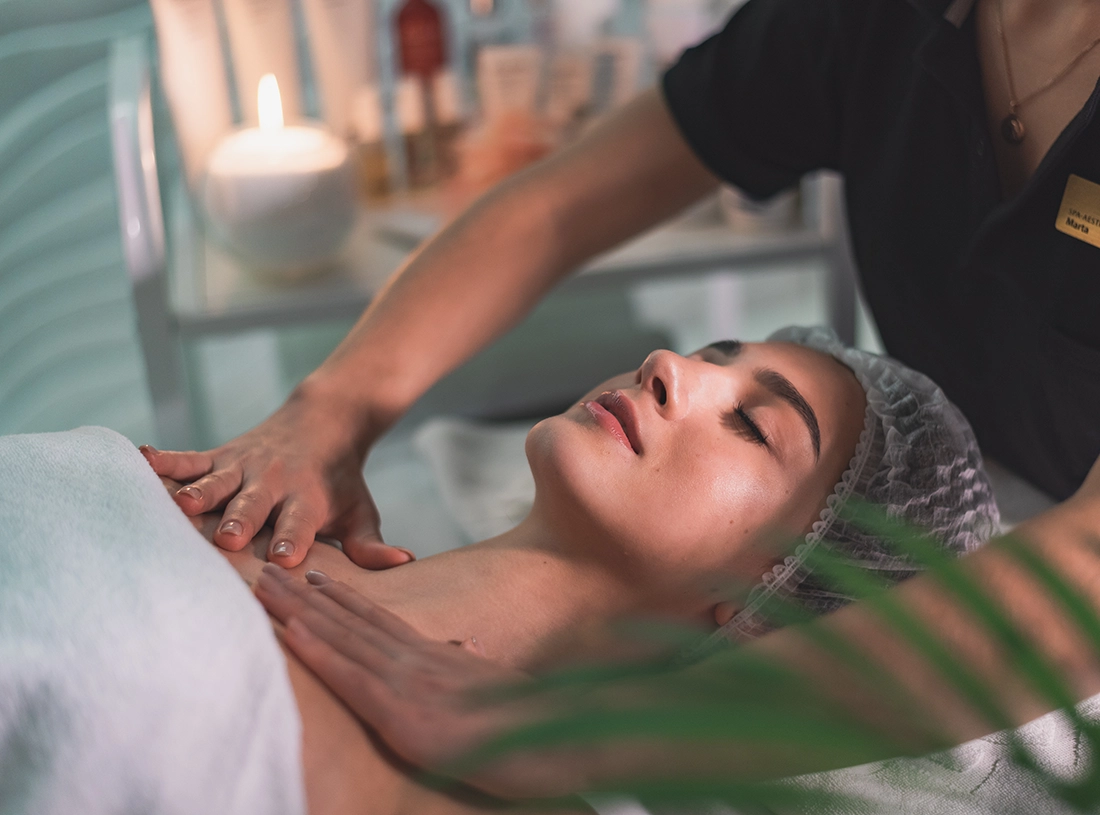
Facial massage. Relaxes facial muscles, improves skin tone, and enhances complexion. Particularly relevant after stress or prolonged exposure to frosty mountain air. Currently, Fomich offers a special promotion: a complimentary facial massage for women when booking for 3 nights or more.
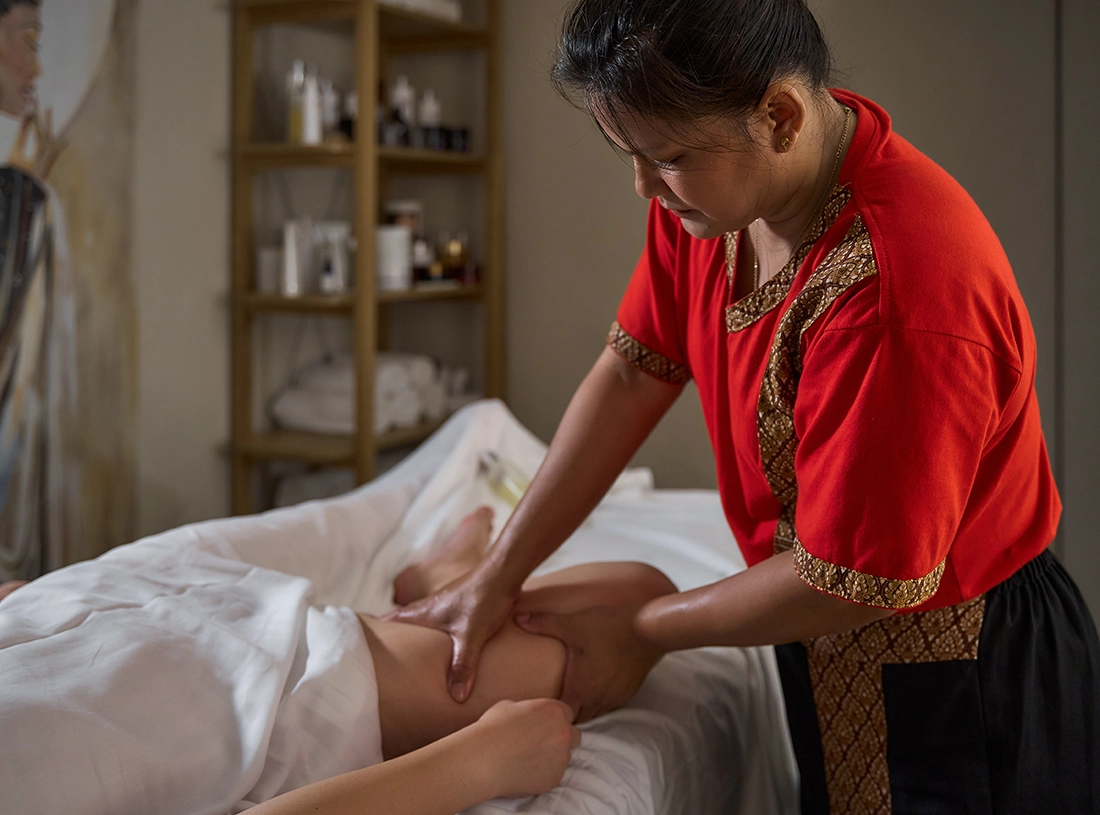
Thai massage. One of the oldest massage techniques in the world—over 2,500 years old. Unlike classic massage, Thai massage is performed on a floor mat through light clothing, combining acupressure, stretching, and yoga elements. The practitioner works not only with hands, but also with elbows, knees, and even feet—working along the body's energy lines, known as "sen" in Thai tradition. The result is deep muscle relaxation, restored flexibility, improved energy circulation, and a feeling of complete reset. Thai massage is especially recommended for those experiencing body stiffness, chronic fatigue, or wanting to combine relaxation with gentle bodywork. Currently at Fomich, it is available as a gift when booking for 2 nights or more.
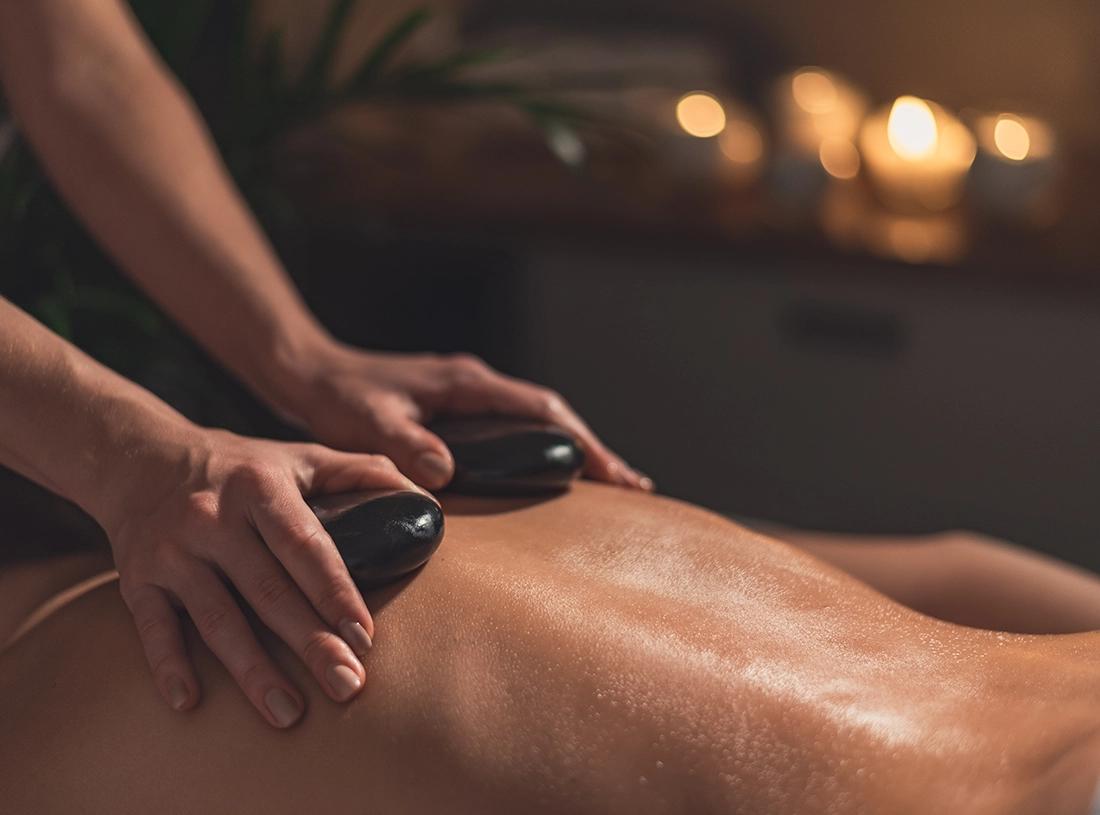
Stone massage and head massage. Hot basalt stones warm muscles to a depth unachievable by hands alone—especially effective for chronic tension. Head massage relieves strain, improves sleep, and delivers a sensation of a complete reset.
Thermal treatments
Thermal procedures are one of the oldest wellness tools, combining pleasant sensations with a tangible positive impact on the body. A Finnish sauna operates at high temperatures between 80–100°C and low humidity, accelerating metabolism, enhancing toxin elimination, and boosting immunity. An infrared sauna works at significantly lower temperatures—around 45–60°C; however, its rays penetrate deeper into tissues, making it a softer and more comfortable option for those who tolerate intense heat poorly. A hammam or steam room creates a humid environment at 40–50°C, which is particularly beneficial for the skin: pores open, hydration improves, and the skin is prepared for subsequent treatments such as body scrubs or massages.
An ice grotto and contrast zones play a special role: after exposure to high temperatures, plunging into cold water triggers active vascular training, toning the body and giving a burst of vigor. At Twins SPA, for example, the ice grotto creates a vivid contrast that often works better than a cup of strong coffee.
Water treatments
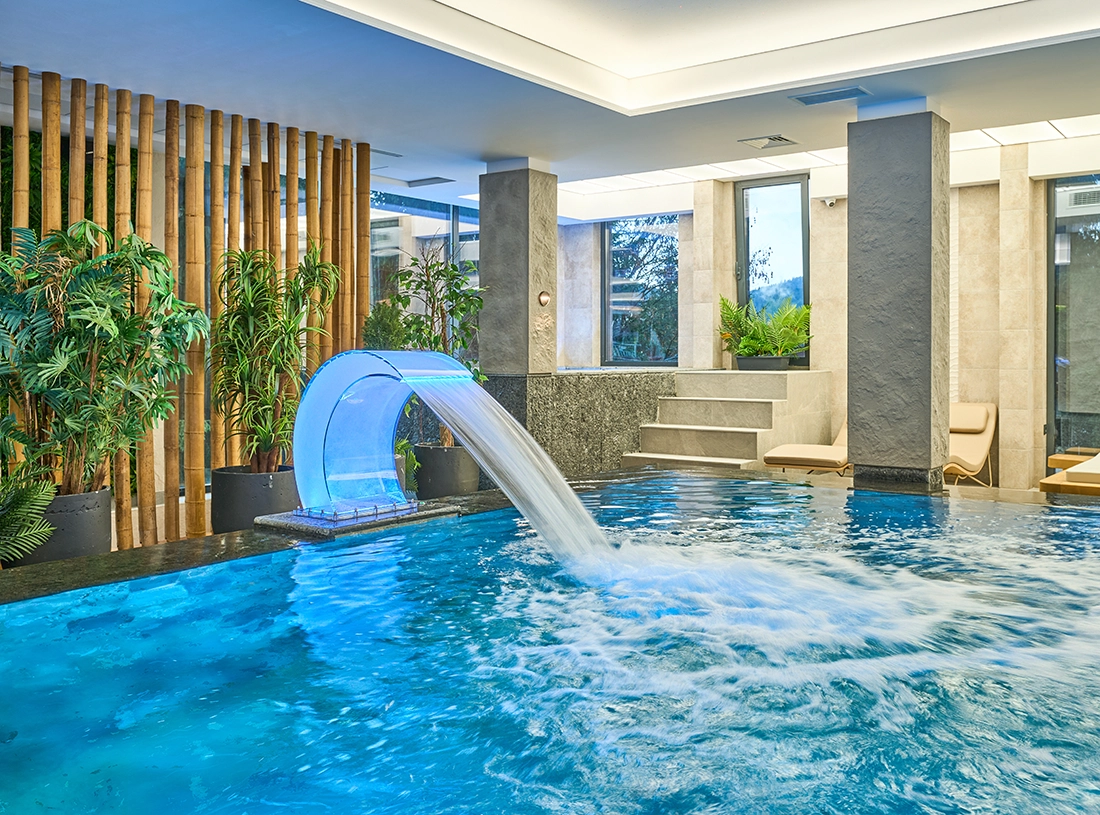
Hydromassage is one of the most popular forms of water recovery, as pressurized water jets effectively relieve swelling and help relax muscles after an active day; such procedures are available at Celebrity SPA. Ofuro creates a special atmosphere—traditional Japanese wooden tubs filled with hot water and herbs, perceived not just as a bath, but as a complete ritual of purification and meditation; this format is featured at Celebrity Japanese SPA in Fomich Residence.
For those who prefer proven solutions, the jacuzzi remains a classic of water relaxation thanks to hydromassage jets and a comfortable temperature regime; such areas can be found in both Twins SPA and Celebrity Japanese SPA in Bukovel.
Among modern trends, floating deserves special attention—immersion in a special saltwater solution inside a dark, quiet capsule where the body achieves weightlessness, providing deep relaxation and recovery for the nervous system.
Wraps and body scrubs
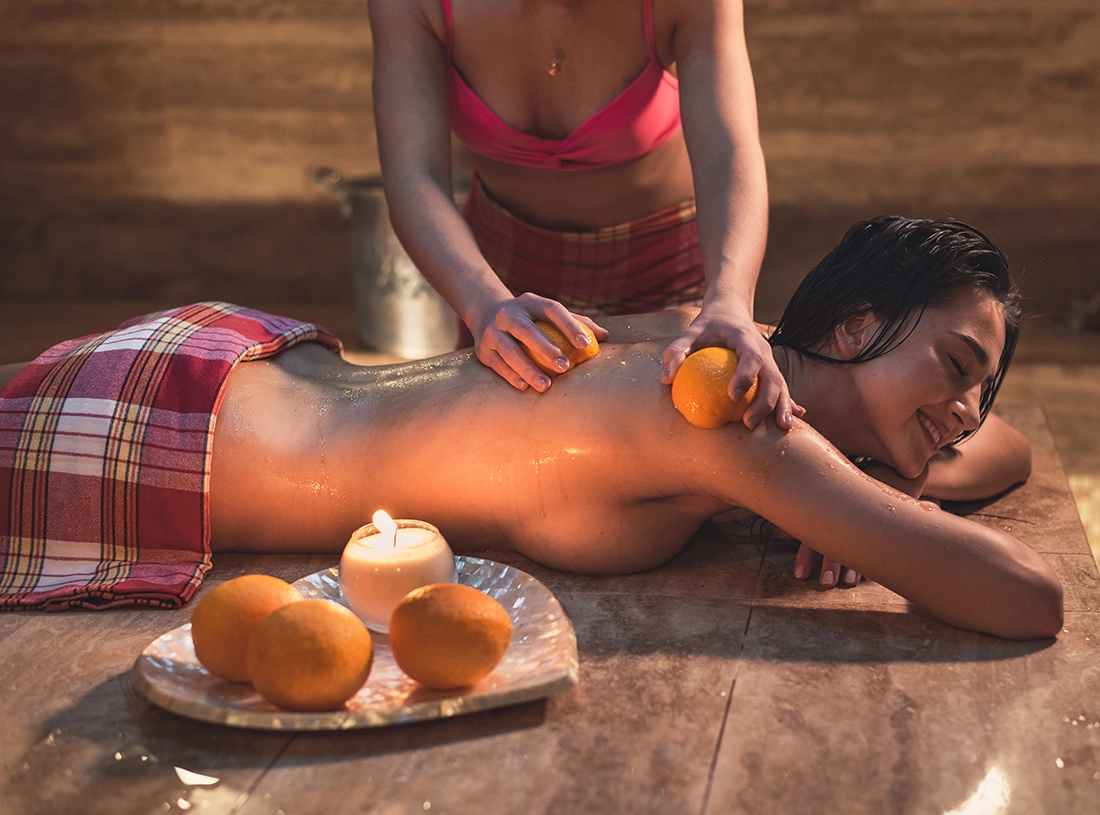
Treatments that transform the skin's condition in a single session.
Chocolate wrap—cocoa antioxidants nourish and firm the skin, while the aroma acts as a natural antidepressant.
Seaweed wrap—detox and mineralization. Marine algae saturate the skin with iodine, zinc, and magnesium.
Honey wrap—hydration and antibacterial effect. Gentle, warm, and deeply soothing.
Scrubs—salt, sugar, or coffee mechanically exfoliate dead skin cells, leaving the skin smooth and ready for further care. Often serves as the first step before a body wrap or massage.
Facial care
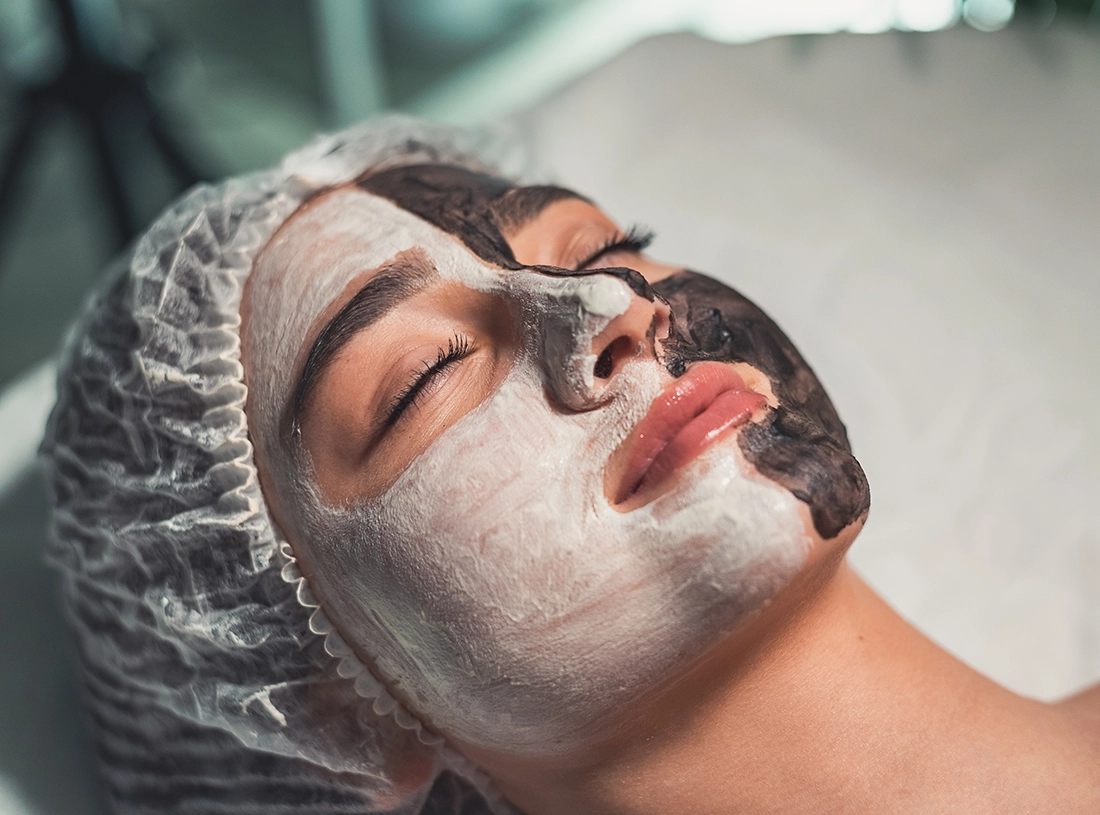
Cleansing and peelings effectively remove impurities, smooth out skin tone, and trigger skin renewal, making it look fresher and more well-groomed. Following these treatments, moisturizing masks become especially appropriate, restoring the skin's natural barrier and comfort—vital after exposure to sun, frost, or stress.
Lifting treatments targeted at tightening facial contours and reducing wrinkles can serve as the final care stage. Such solutions are available at Celebrity SPA and Celebrity Japanese SPA.
Exotic and signature rituals
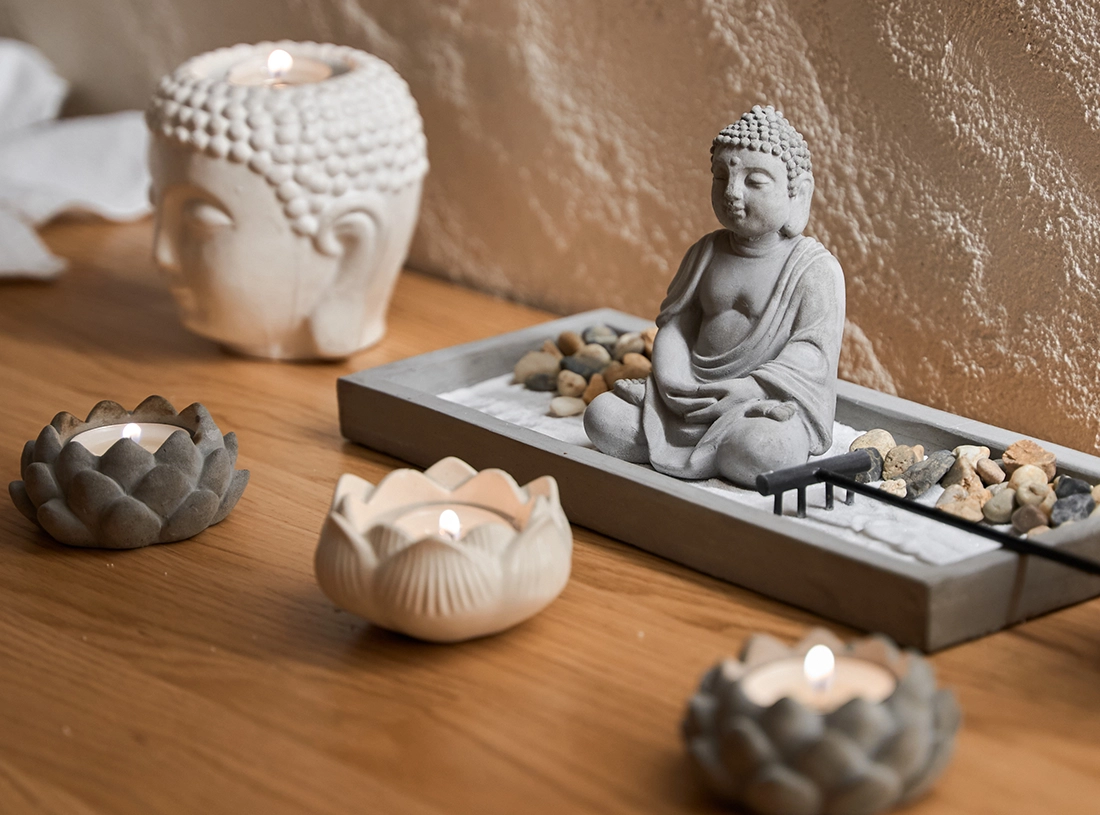
Japanese SPA rituals are based on the philosophy of harmony between body and spirit, where every detail is aimed at achieving inner balance. Celebrity Japanese SPA at Fomich Residence is built around this exact concept: combining ofuro, signature recovery programs, and a panoramic sauna, with a space filled with wabi-sabi aesthetics that emphasize naturalness and tranquility.
Alongside this, other directions are gaining popularity, including Ayurvedic procedures originating from Indian tradition aimed at balancing energies through massage and natural oils, as well as Balinese massage, which combines acupressure, stretching, and aromatherapy for deep relaxation.
How to choose a SPA treatment for your goal
Don't know where to start? Focus on your main objective:
What is a Day Pass and how does it work
A Day Pass is an opportunity to visit a hotel's SPA area without staying overnight. You purchase access for a specific period and use the full infrastructure: pool, saunas, lounge area. Massages and special treatments are usually paid separately.
At Fomich, a Day Pass is available in all SPA complexes in Bukovel: starting from 1,000 ₴ at Celebrity SPA to 1,500 ₴ at Celebrity Japanese SPA.
What is usually included: access to the pool, saunas, lounge area, towels, and a bathrobe.
How to prepare:
book in advance—especially on weekends;
arrive 15–20 minutes before your time slot;
avoid heavy meals 1–1.5 hours before SPA treatments;
bring a swimsuit, slippers, and a good mood—everything else is provided on site.
SPA Rules of Conduct
What to bring with you: swimsuit, slippers (or rent on site), personal hygiene items. In most SPA complexes, bathrobes and towels are provided.
Dress code: swimsuit or towel in pool and sauna areas.
Etiquette:
Speak quietly—the SPA is a quiet zone.
It is best to leave your phone in the locker.
Respect treatment appointment times—therapists work on a schedule.
At Twins SPA, children under 12 may visit the area only when accompanied by parents and until 5:00 PM.
Contraindications: prior to visiting a SPA, consult a doctor if you have cardiovascular conditions, acute inflammatory processes, or a fever. Most thermal procedures are contraindicated for oncological conditions.
Pregnant women should also seek medical consultation before visiting a SPA regardless of trimester—certain treatments may be contraindicated.
SPA Trends 2026
Japanese and Asian rituals. One of the strongest trends in recent years. Ofuro, shiatsu, and Japanese tea ceremonies as part of the SPA experience. This exact direction is being developed by Celebrity Japanese SPA at Fomich—a unique format for the Carpathian region.
Eco-SPA and natural cosmetics. Guests increasingly choose facilities that use organic products free of synthetics. Natural ingredients—honey, clay, herbs, sea salt—are back in the spotlight.
Digital detox. SPA is becoming a place to consciously unplug from phones and social media. Some facilities are already introducing "screen-free" zones as a distinct value proposition. A Carpathian SPA with mountain views is the ideal place for such a reset.
SPA is not about luxury. It is a conscious choice in favor of your health and balance. Whether you choose a classic massage, Japanese tubs, or simply an hour in a warm pool surrounded by mountains—every minute spent in a SPA works for you.
FAQ
How often can you visit a SPA?
It depends on the treatment. Relaxing massages and saunas can be enjoyed 1–2 times a week without restrictions. More intensive procedures—anti-cellulite massage, peelings, body wraps—are best done in courses with 2–3 day breaks between sessions. If the goal is general tone maintenance, 1–2 visits per month are sufficient.
How long does a SPA visit take?
A single procedure takes from 30 to 90 minutes. However, if you purchase a Day Pass and wish to fully enjoy the pool, saunas, and lounge area, plan for at least 3–4 hours. That is the time needed for the body to truly relax rather than just "rushing through" the zones.
Do treatments need to be booked in advance?
Yes, especially on weekends and holidays. Massage and cosmetology rooms have limited availability, and popular time slots fill up quickly. At Fomich, we recommend booking treatments simultaneously with your room reservation—guaranteeing your preferred time and therapist.
Can children visit the SPA?
It depends on the facility and zone. Most thermal treatments—sauna, hammam, contrast zones—are not recommended for children under 12 due to the high load on the cardiovascular system. Swimming pools are usually available for family visits. At Twins SPA, for instance, children under 12 are permitted in the SPA area only accompanied by parents and until 5:00 PM—after which the complex operates in an adults-only format.